Start Ear Training With Two Intervals and a Reference Note
An interval describes a distance between pitches. Start with a small comparison, keep the reference clear and separate hearing a relationship from memorizing the sound of one particular pair.
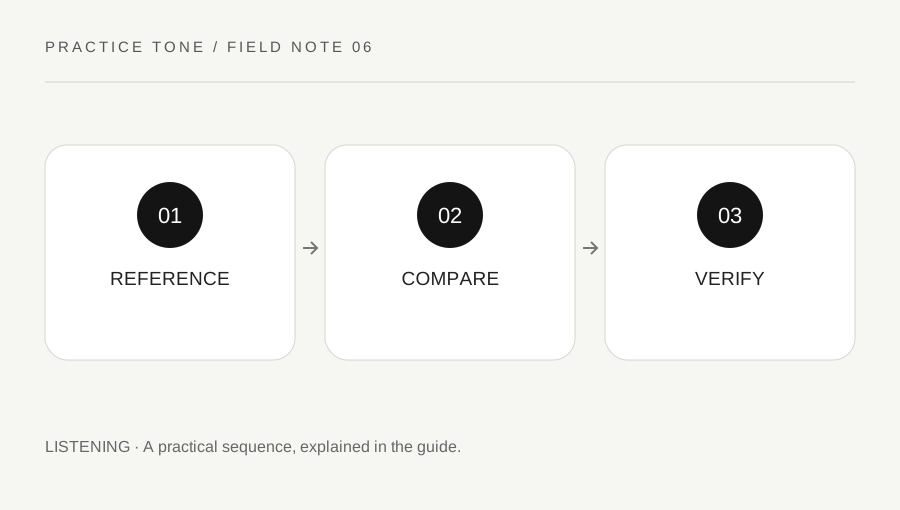
Original explanatory diagram. Numerical examples in this guide illustrate the reasoning; they are not a claim of hands-on testing.
Define the comparison you are making
Choose two ascending intervals from the same starting pitch, such as a major third and a perfect fifth above C. In equal temperament, the major third spans four half steps, C to E, and the perfect fifth spans seven, C to G. Play the starting C before each upper note so that the reference remains clear.
Do not begin by trying to name every interval across the keyboard. A two-choice task makes the listening question specific. You are learning to distinguish a nearer and a wider target relative to the same root. Use a comfortable register and volume. The note explorer provides deliberate selected playback; it does not automatically grade your hearing or analyze sung answers.
Listen to separate notes before a combined sound
Play C, then E, leaving a small gap, and repeat the pair. Next play C, then G. Hum or imagine the upper note after hearing C if comfortable. Avoid straining to sing outside your range; an octave adjustment or silent imagining is a valid learning aid.
Then sound the C-major triad and identify the third and fifth within its note list. A chord played together is a different listening task from two notes played in sequence. It can be helpful, but do not assume success in one format guarantees recognition in the other. Keep the task description visible: “Which upper note follows this root?” or “Which chord tone am I hearing?”
Change the starting pitch while preserving the relationship
Move to D as a reference. The major third is F-sharp and the perfect fifth is A. Compare these pairs slowly, then return to C. If you recognize only C–E and C–G, you may have learned the particular sounds rather than the interval relationship. Transposition tests whether the distance remains meaningful from another starting point.
Use the major triad in the explorer to check root, third and fifth note names. Its synthesized tones use twelve-tone equal temperament with A4 at 440 hertz. Real instruments can vary in tuning and timbre. Practice on a second familiar sound later, but avoid changing root, register, instrument and task format all at once when you are still identifying what makes the comparison difficult.
Write observations without turning them into promises
Make a short set of six deliberate comparisons. You can choose a target, look away, imagine it and replay, or ask a practice partner to select between the two named intervals. Record the task and which pairs were uncertain. Do not treat a tiny session score as a general measure of musical ability.
Descriptions such as “the fifth felt wider, but I confused the third when the root changed” are useful. They point to the next controlled comparison. Avoid relying only on emotional labels or fragments of remembered songs: those associations can help some learners, but the interval relationship should also be checked directly from the pitches and their spacing.
Connect listening to a simple original phrase
Use the original note sequence C–E–C–G–C, with one note per beat at a manageable tempo. Name the two upward intervals from C before playing. Then transpose it to D–F-sharp–D–A–D. Keep the rhythm unchanged so that the pitch relationship is the main variable.
Finish with a quiet review: hear or imagine the reference note, choose one of the two upper targets and verify it on the instrument or explorer. A short accurate comparison repeated across a few roots is more useful than rapidly guessing a long list of unfamiliar labels. As the task becomes comfortable, add one new interval and retain the clear reference that made the first comparisons understandable.
A practical checklist
Tick items for your own use. This checklist is saved only in this browser.
Questions that come up
Does the tool hear or score my voice?
No. It plays selected pitches through browser audio only. It does not request microphone access or evaluate singing.
Are half-step counts enough to spell every interval?
No. Letter names also determine the generic interval. This beginner exercise uses conventionally spelled thirds and fifths; more advanced naming considers both letter distance and chromatic size.
Should I practice loudly to hear better?
Use a comfortable moderate level. Louder playback does not replace focused comparison and can become tiring.
References & scope
Background references checked on 18 October 2026. The examples and practice exercises are original editorial explanations, not copied procedures or professional advice.