A First Metronome Session: Keep the Beat Without Chasing It
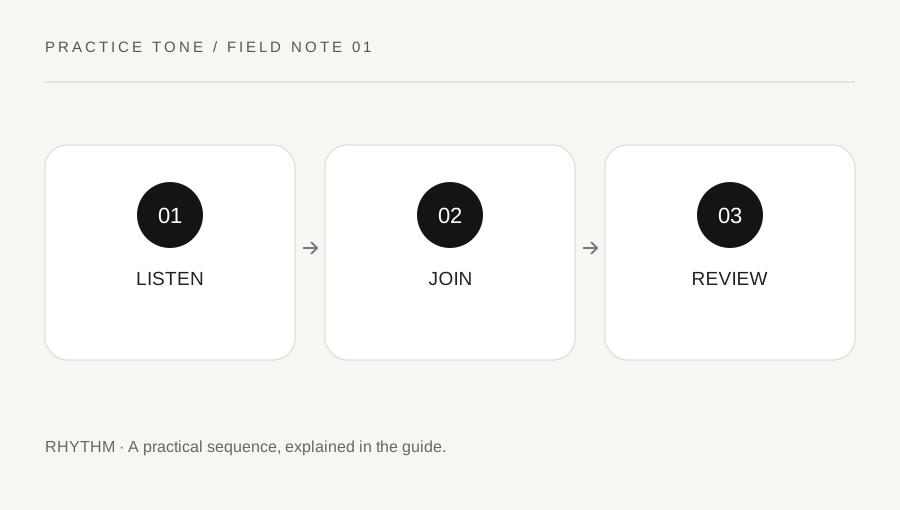
A metronome makes an even pulse audible. Use a short, simple task so that the clicks reveal your timing instead of becoming another sound you struggle to follow.
Read the complete guide ↗Original guitar, piano, rhythm and ear-training exercises, with a browser metronome and an audible chord and scale explorer.
Metronome & note explorer ↗Detailed explanations · Worked examples · Practical tools
An original illustration for PRACTICE TONE. Start with a guide or explore the practical tools below.
20 complete guides.
A metronome makes an even pulse audible. Use a short, simple task so that the clicks reveal your timing instead of becoming another sound you struggle to follow.
Read the complete guide ↗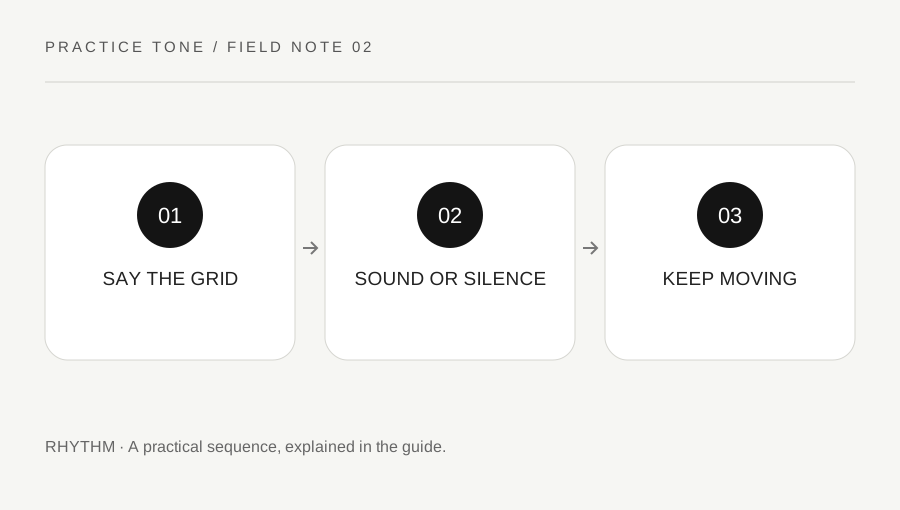
A rest changes whether you make a sound, not whether musical time continues. Keep a spoken subdivision underneath a short pattern so the silent spaces stay as organized as the notes.
Read the complete guide ↗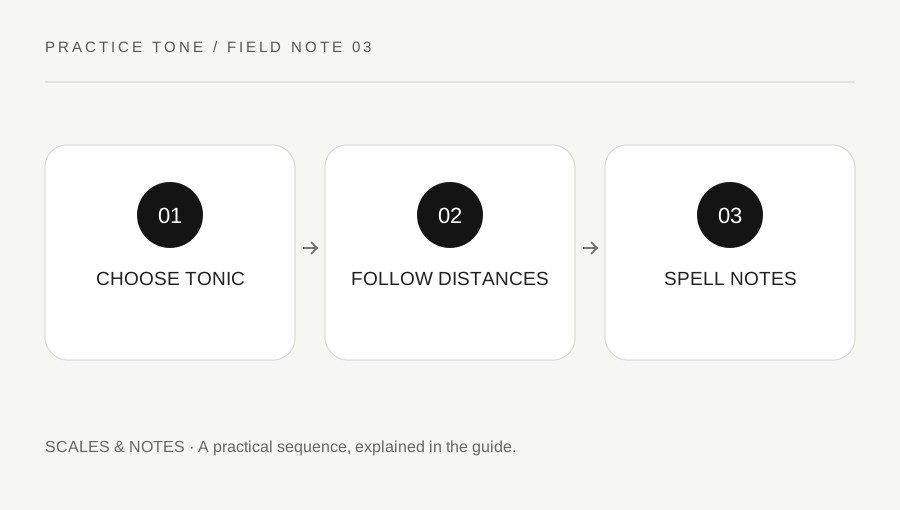
A major scale is defined by its interval pattern, not by using only white piano keys. Start on a chosen tonic, follow the distances and give each scale degree a clear name.
Read the complete guide ↗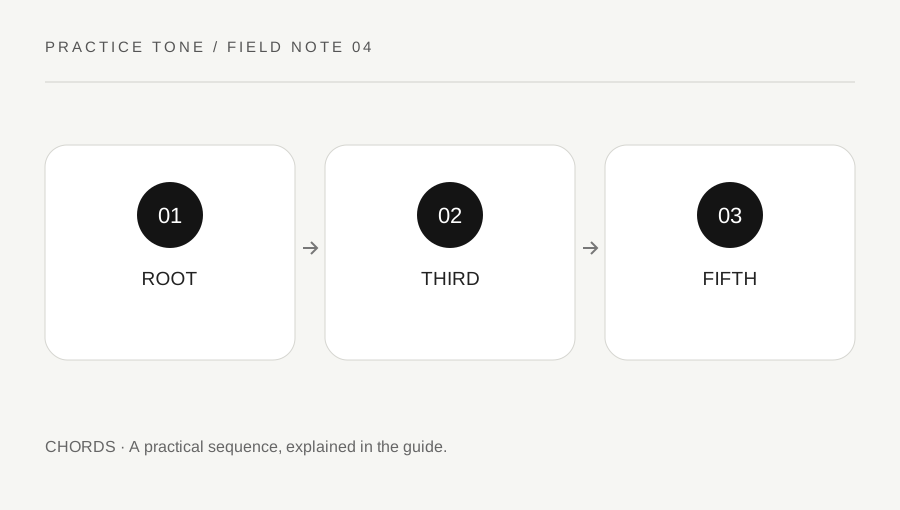
A triad contains three distinct chord tones. Build a major and a minor version from the same root, then compare the one note that changes while the root and fifth remain fixed.
Read the complete guide ↗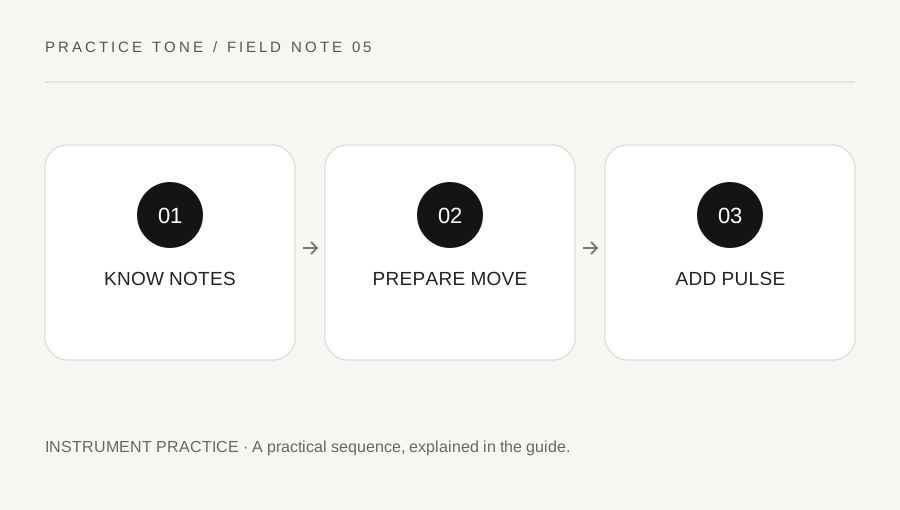
A chord change can fail because of note knowledge, movement planning or timing. Separate those questions, then put a small transition back into a steady pulse.
Read the complete guide ↗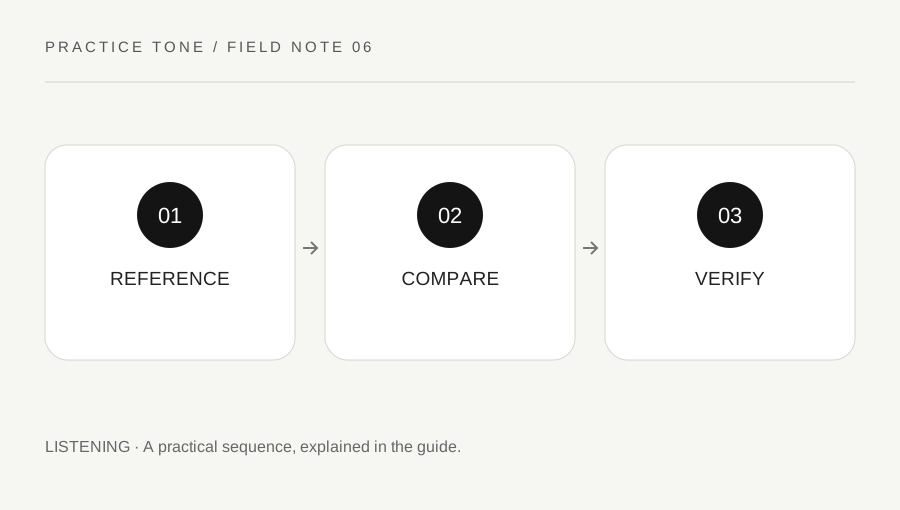
An interval describes a distance between pitches. Start with a small comparison, keep the reference clear and separate hearing a relationship from memorizing the sound of one particular pair.
Read the complete guide ↗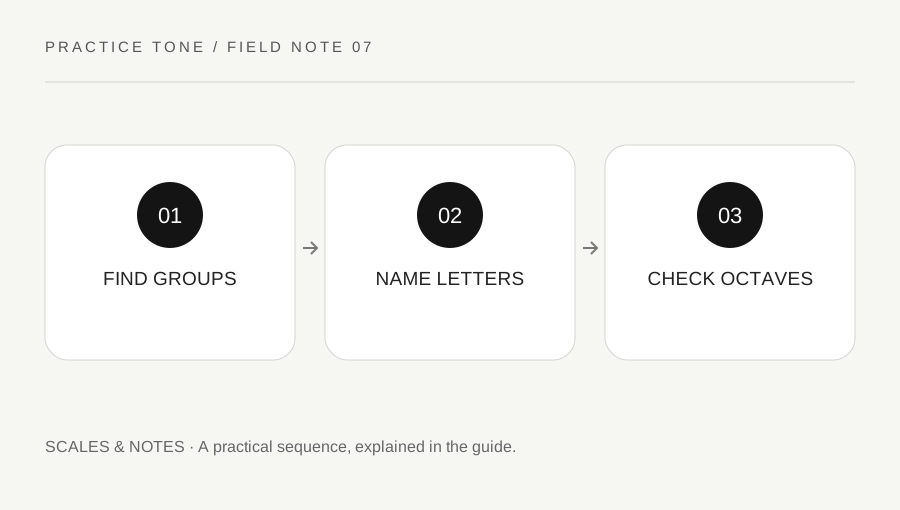
The repeating black-key groups provide dependable landmarks. Learn the letter sequence and the adjacent half steps before trying to recognize every note instantly.
Read the complete guide ↗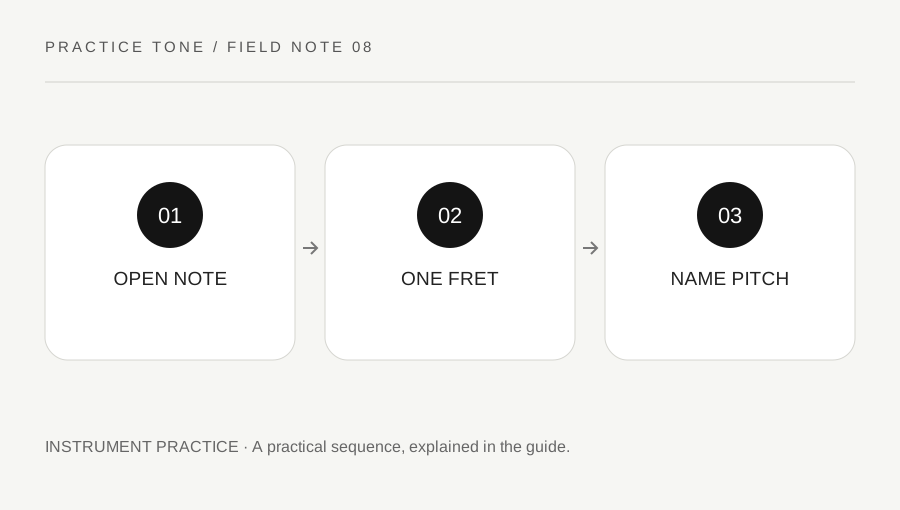
A standard fret changes pitch by a half step along one string. Use that predictable movement to connect note names with the fretboard before memorizing large diagrams.
Read the complete guide ↗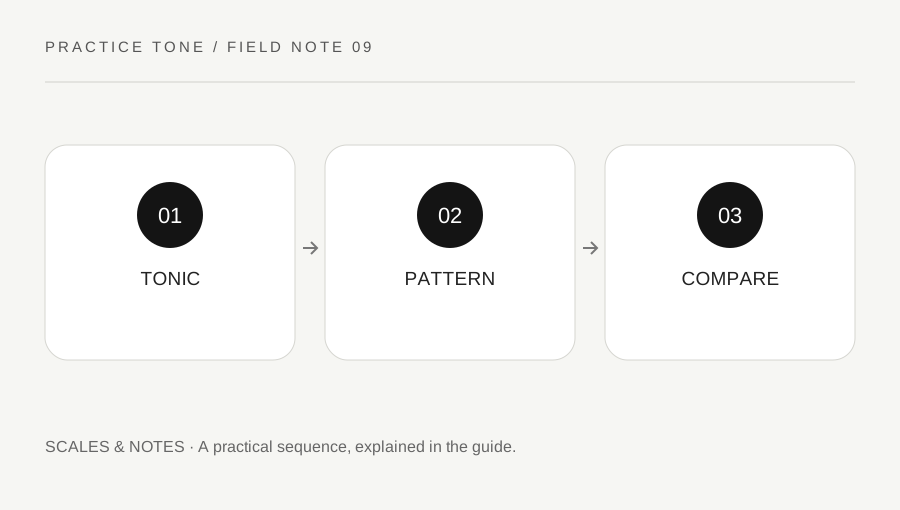
Natural minor has its own interval pattern. Compare it with a major scale from the same tonic, then distinguish that parallel relationship from two scales that share the same note collection.
Read the complete guide ↗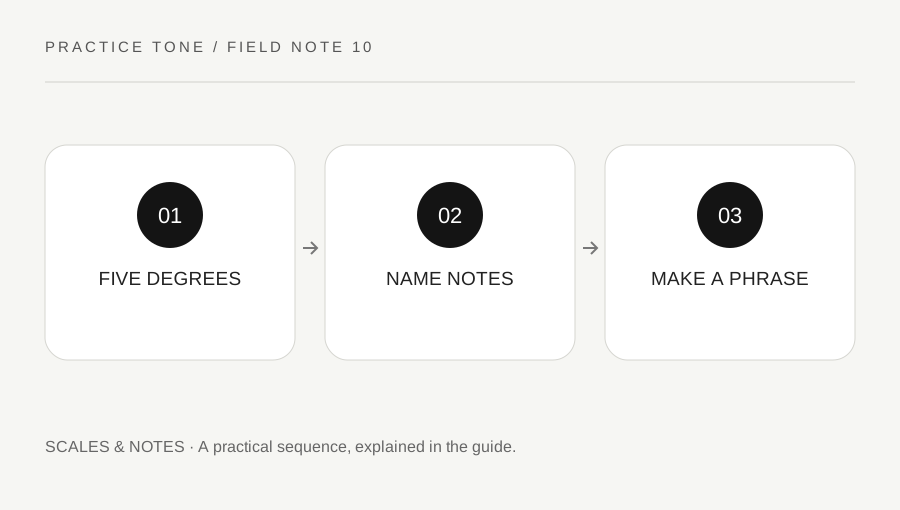
A pentatonic scale uses five distinct pitch classes before the octave repeats. Build common major and minor forms from scale degrees, then practice a small phrase without assuming that a shape explains the notes.
Read the complete guide ↗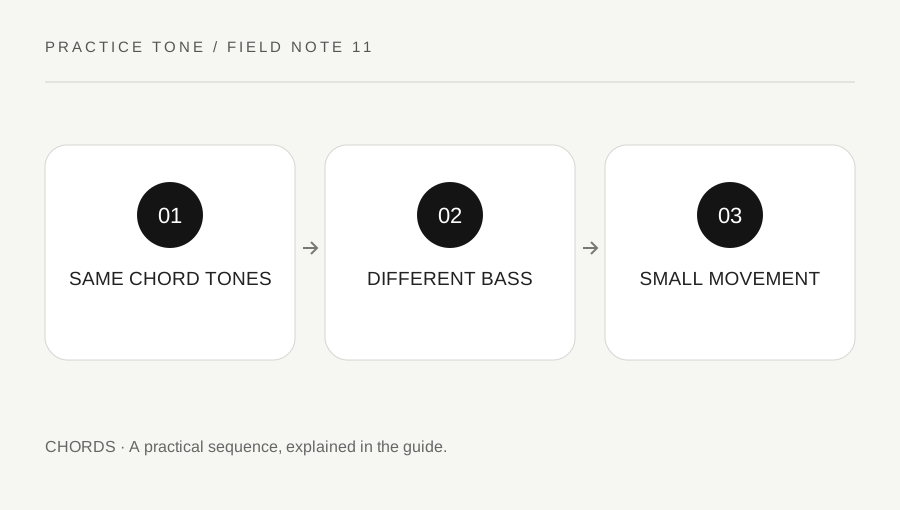
An inversion changes which chord tone is lowest. Compare three arrangements of the same triad, then use nearby notes to connect two chords without unnecessary leaps.
Read the complete guide ↗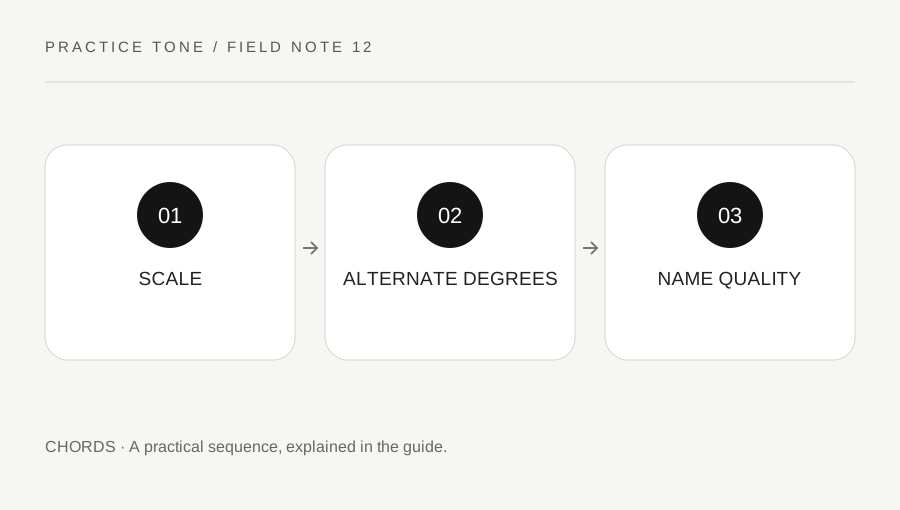
Stack alternate scale degrees to form a triad on each note. The resulting chord qualities follow a useful pattern, but verify the notes so that the pattern has a musical explanation.
Read the complete guide ↗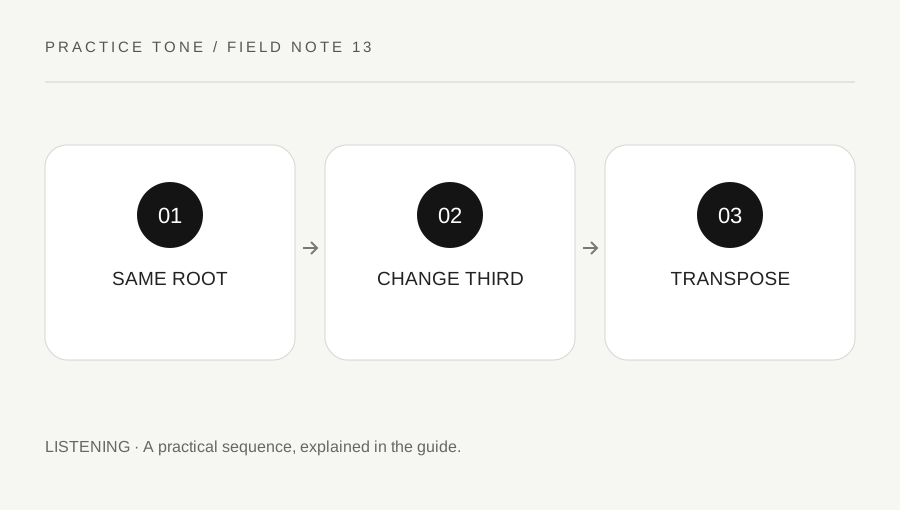
Compare two thirds from the same root so that only the upper note changes. Then move the reference pitch and check whether you recognize the relationship rather than one memorized sound.
Read the complete guide ↗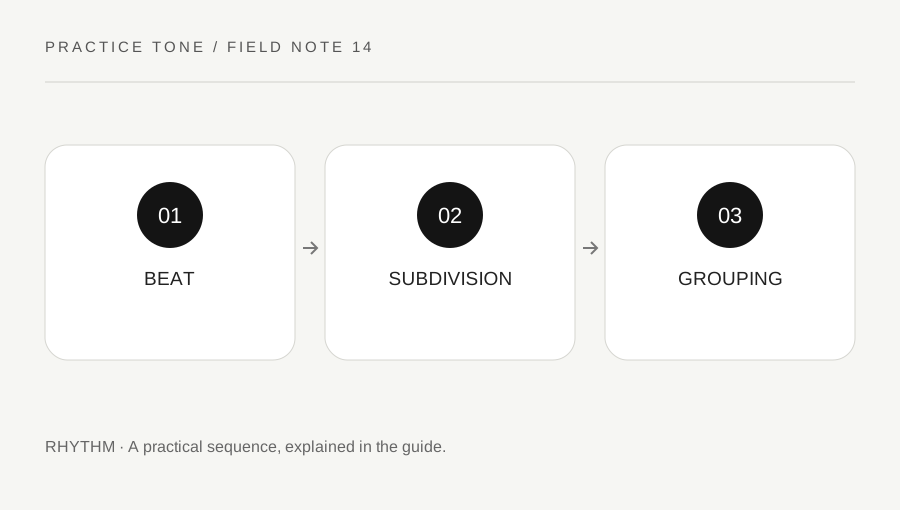
The same total written duration can be grouped differently. Compare three beats divided in two with two beats divided in three, and state which note value your metronome click represents.
Read the complete guide ↗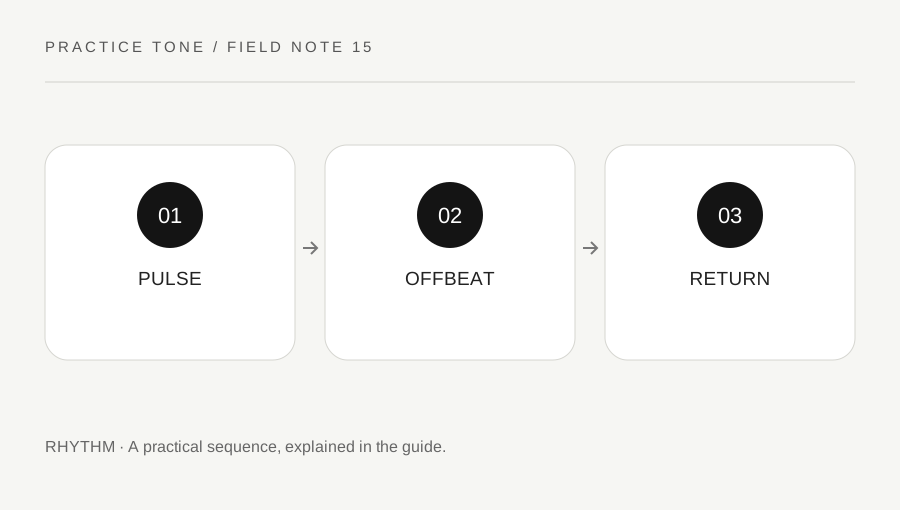
A rhythm can emphasize an offbeat without moving the underlying pulse. Use a clear subdivision grid and one pitch to distinguish deliberate displacement from an accidental late entry.
Read the complete guide ↗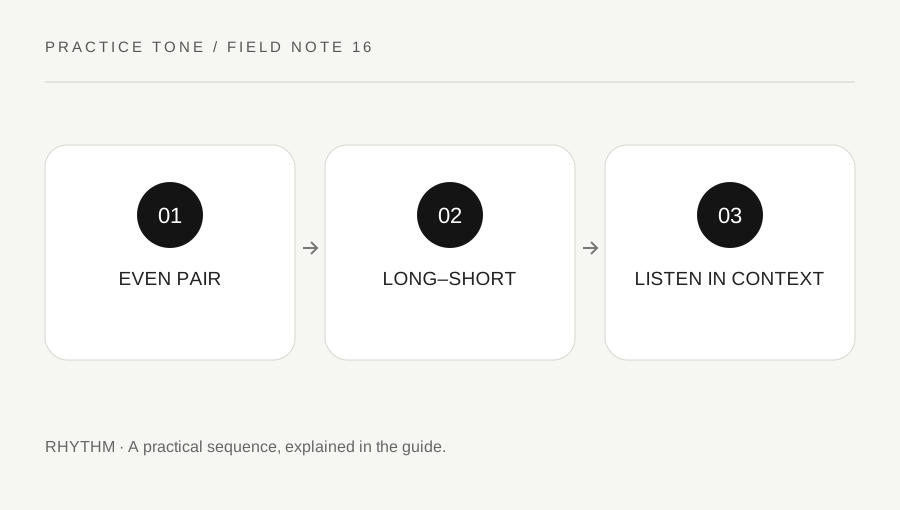
Straight eighth notes divide a beat evenly. Swing changes the relationship within the pair, but its exact timing varies with style and tempo. Begin with a clear comparison rather than one universal ratio.
Read the complete guide ↗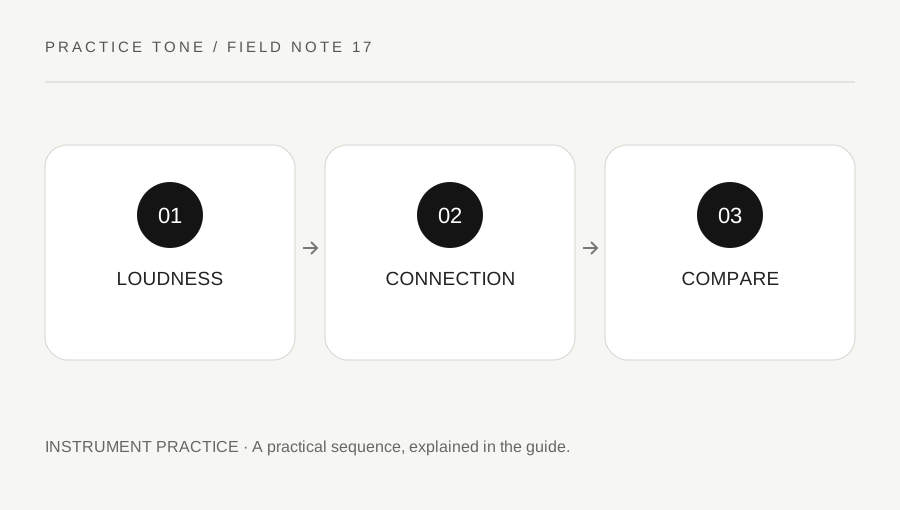
A note can be quiet and detached or loud and connected. Separate loudness from duration and connection so that one instruction does not accidentally change every part of your playing.
Read the complete guide ↗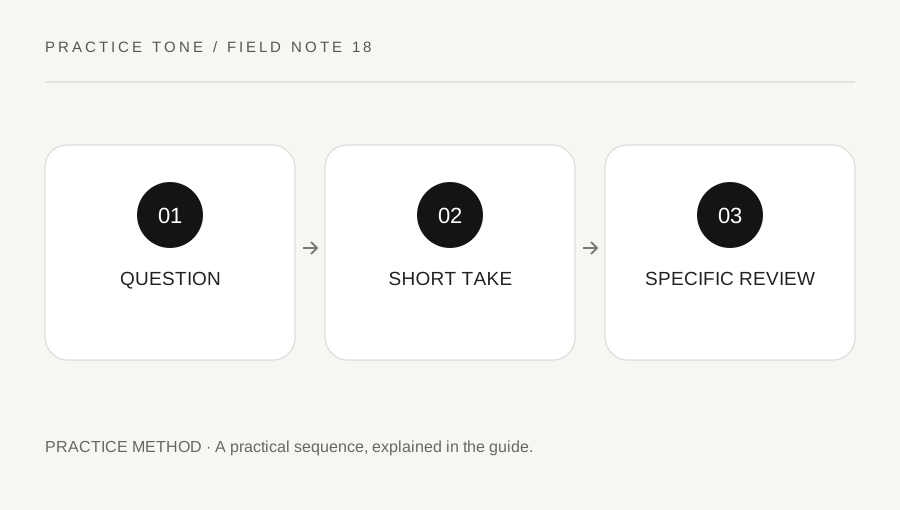
A short recording can reveal timing and clarity that are hard to notice while playing. Define the question first, then compare like attempts without turning every take into a performance judgment.
Read the complete guide ↗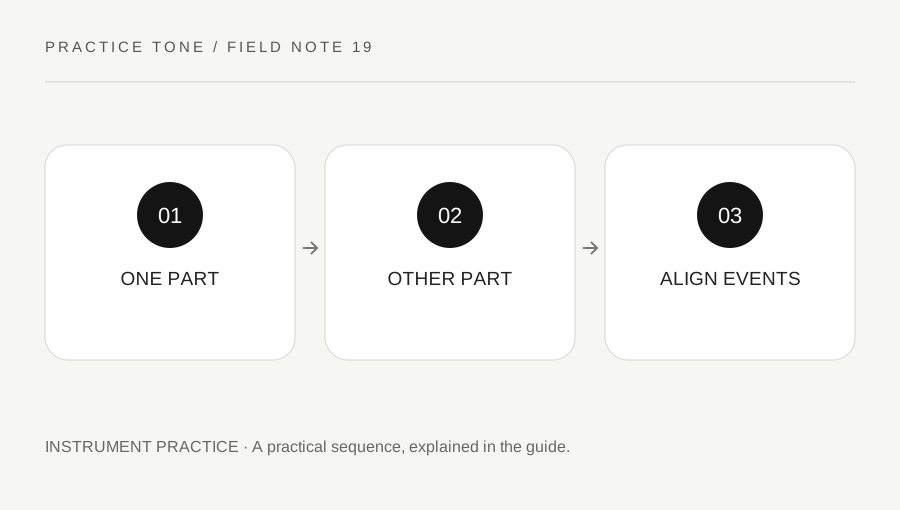
Hands-together practice adds a coordination task beyond knowing either part alone. Use small original patterns and a slow shared pulse so that each hand’s role remains understandable.
Read the complete guide ↗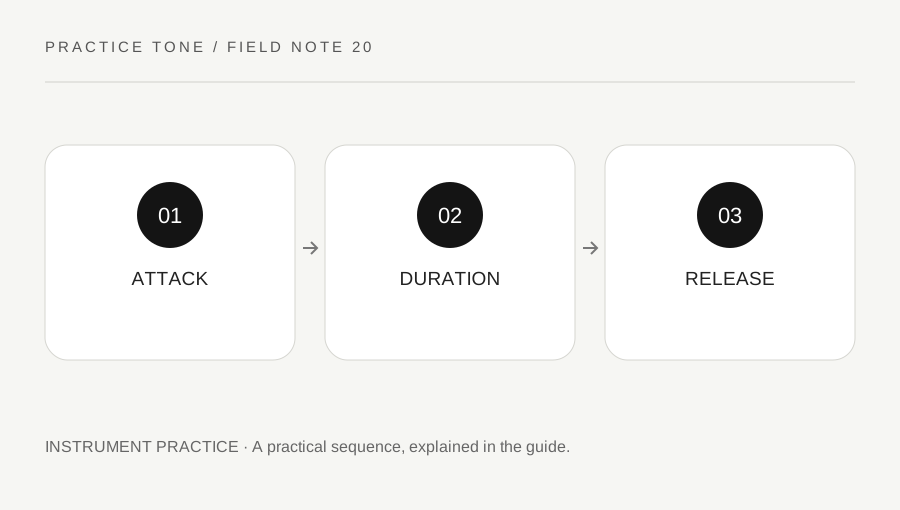
Not striking a string again does not always create silence. Practice a simple attack-and-release pattern so that ringing notes, rests and unwanted strings are deliberate parts of the sound.
Read the complete guide ↗Explore the worked examples, follow the reasoning and use the checklist at your own pace. Assumptions and boundaries accompany each tool. Our editorial approach ↗